


 English

Lead time is an important consideration when ordering DIY Book Nook kits in bulk. Importers, wholesalers, retailers, and private-label brands need to coordinate product development, material procurement, production, quality inspection, packaging, and shipping to meet their sales schedules.
The actual lead time depends on the product design, order quantity, customization requirements, material availability, and production schedule. Understanding these factors helps buyers plan orders more effectively.
1. Product Design and Development Complexity
Standard DIY Book Nook designs may require less development work than completely new products. Custom projects can involve concept design, 3D modeling, structural adjustments, artwork preparation, and technical reviews before manufacturing can begin.
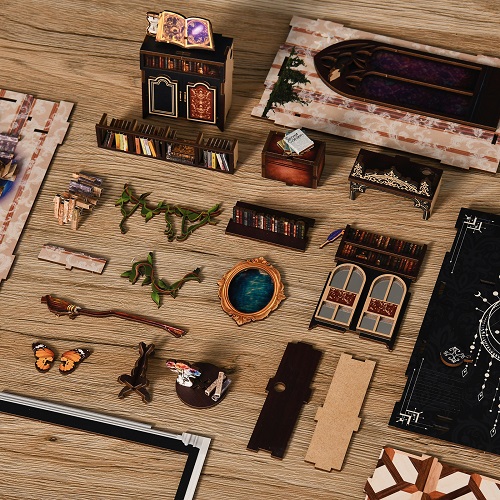
Complex miniature scenes may also require additional coordination between structural components, decorative details, printed parts, and lighting accessories.
To avoid unnecessary delays, buyers should provide clear specifications and confirm important design details as early as possible.
2. Prototype Sampling and Approval
Sampling allows buyers to evaluate the product before mass production. However, the process may take longer if the design requires multiple revisions or if important specifications have not been finalized.
Buyers can help keep the project moving by consolidating feedback, reviewing samples promptly, and documenting all approved changes. Mass production should follow the agreed sample and specifications.
3. Material Availability and Procurement
diy book nook kits may require wooden boards, printed materials, lighting components, miniature accessories, adhesives, and packaging materials. The availability of these materials can affect when production starts.
Standard materials may be easier to source, while custom colors, special accessories, or newly developed packaging may require additional preparation.
For bulk orders, buyers should confirm material specifications early and ask the supplier whether any items have longer procurement lead times.
4. Order Quantity and Production Scheduling
Larger orders may require more production time because additional components need to be cut, printed, finished, checked, and packed. The actual schedule also depends on the supplier's production capacity and existing workload.
If an order contains multiple designs, each model may require different materials, production processes, or packaging arrangements. This can add coordination time compared with an order containing a single standard model.
Buyers should provide an accurate quantity breakdown for each design when requesting a production schedule.
5. Customization and Packaging Requirements
Customization can affect lead time in several ways. Changes to logos or packaging artwork may require approval, while new product structures or custom accessories may require additional development and sampling.
Retail packaging may also need to include specific labels, barcodes, instruction manuals, or market-related information. These details should be confirmed before packaging production begins.
When sourcing DIY Book Nook kits for a private-label range, provide the final artwork and packaging specifications as early as possible to minimize last-minute changes.
6. Production Quality Control and Rework
Quality inspection is an essential part of the manufacturing schedule. Incoming materials, processed components, kit completeness, and final packaging may all require inspection.
If defects are found, affected components may need to be corrected or replaced before the order can be completed. Clear quality requirements and timely feedback help reduce avoidable rework.
Buyers should agree on inspection criteria before mass production and confirm when inspections will take place.
7. Packaging, Warehousing, and Shipping Arrangements
After production and inspection, finished kits must be packed, counted, and prepared for dispatch. Packaging specifications, carton quantities, labeling, and shipping arrangements can influence the final handover date.
International delivery time is separate from manufacturing lead time. Buyers should confirm whether the quoted schedule covers production only or includes additional preparation and transportation stages.
For seasonal sales or promotional launches, leave sufficient time for freight booking, customs procedures where applicable, and delivery to the final destination.
8. How Buyers Can Help Reduce Lead Time
Although some production factors are outside the buyer's control, good planning can help prevent avoidable delays.
Finalize product specifications and artwork before production preparation.
Approve samples and design revisions promptly.
Confirm order quantities and packaging requirements early.
Ask about material availability before confirming the schedule.
Agree on quality standards and inspection procedures in advance.
Keep communication clear when product or delivery requirements change.
Allow extra time for new designs and customized components.
Understanding the DIY Book Nook manufacturing process can also help buyers identify the stages that need approval and coordinate their internal purchasing and marketing schedules.
Frequently Asked Questions
How long does bulk DIY book nook production take?
The schedule depends on the design, order quantity, material availability, customization, and supplier workload. Buyers should request a project-specific estimate rather than relying on a general timeframe.
Do custom DIY Book Nook orders take longer?
They may take longer because new designs, structural changes, prototype sampling, special materials, or custom packaging can require additional preparation and approval.
Does production lead time include shipping?
Not necessarily. Production lead time usually refers to the manufacturing period, while shipping adds a separate transportation period. Confirm the scope of the quoted timeline with the supplier.
How can buyers avoid production delays?
Finalize specifications early, approve samples promptly, confirm material availability, provide accurate quantities, and agree on packaging and quality requirements before production starts.
The lead time of bulk DIY Book Nook orders is affected by design complexity, sample approval, material procurement, order quantity, customization, quality inspection, packaging, and shipping arrangements. By planning these stages in advance and communicating clearly with the manufacturer, buyers can reduce avoidable delays and coordinate orders more effectively with their sales schedules.