


 English
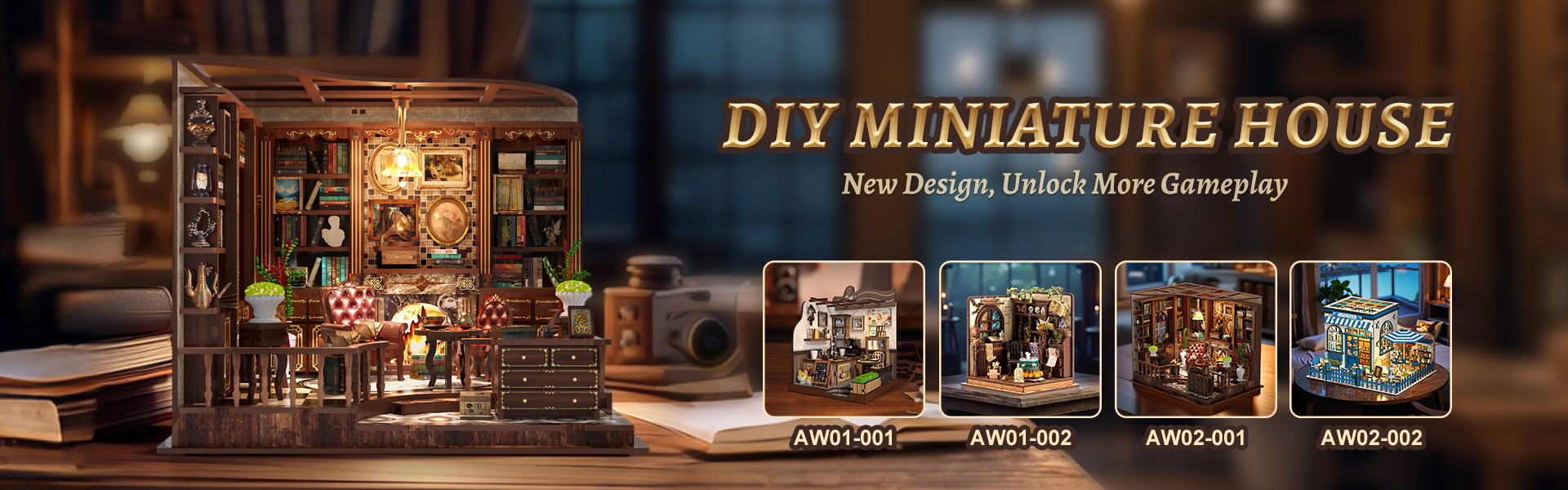
Developing a high-quality DIY Book Nook involves more than assembling miniature components. It requires a coordinated manufacturing process that covers front-end design, 3D modeling, texture development, prototype sampling, engineering preparation, material procurement, production, quality inspection, and final packaging. For retailers, distributors, wholesalers, and brands seeking a reliable DIY Book Nook Manufacturer, understanding these stages helps evaluate a supplier's product development capabilities, production efficiency, and ability to support OEM and ODM projects.
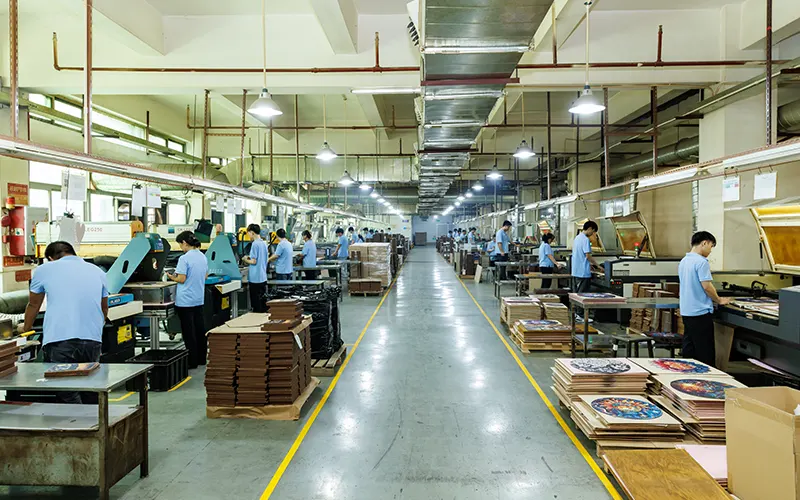
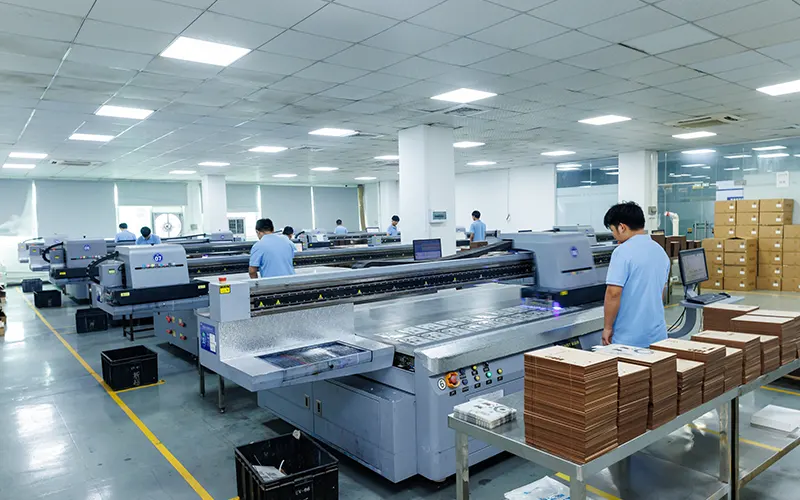
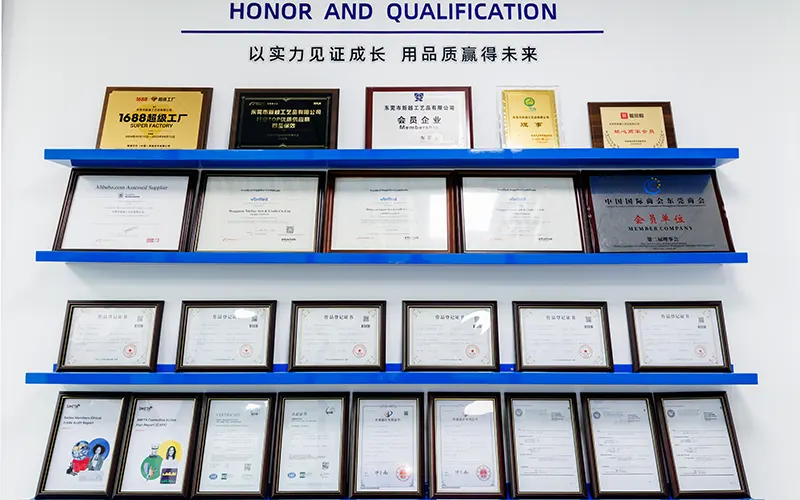
1. Front-End Design and Creative Development
Every DIY Book Nook project begins with concept development. The design team establishes the theme, visual style, target audience, product dimensions, and key decorative elements. Common themes include miniature bookstores, fantasy libraries, magical scenes, garden landscapes, and vintage streets.
For B2B buyers, the design stage is also an opportunity to define customization requirements. These may include branded packaging, exclusive themes, color variations, lighting effects, and specific component configurations. Clear requirements at the beginning help reduce unnecessary revisions during later development stages.
2. 3D Modeling and Structural Development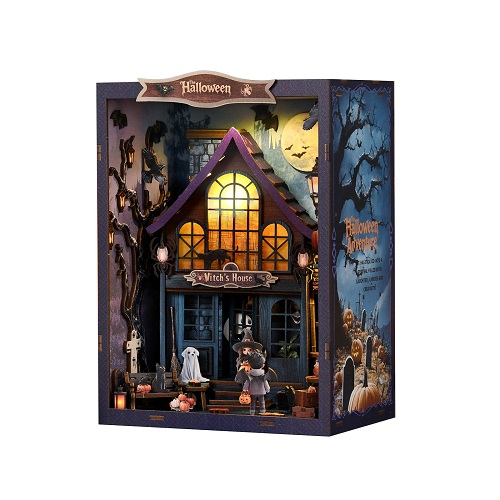
After the concept is approved, designers develop the product structure through 3D modeling. This stage determines how individual components fit together and how the finished miniature scene will look when assembled.
Structural design needs to balance appearance, stability, assembly difficulty, and manufacturing feasibility. For diy book nook kits, component dimensions and connection points must be carefully considered to ensure that parts fit correctly and the assembly instructions can be followed easily.
For customized projects, early structural evaluation can also help identify potential production issues before mass manufacturing begins.
3. Texture Mapping, Color Design, and Visual Refinement
Texture mapping and color design bring the digital model closer to the intended finished product. Designers refine the appearance of walls, floors, furniture, miniature decorations, and other details to create a consistent visual style.
Material appearance and printed patterns should be considered alongside the actual manufacturing methods. Colors, surface effects, and decorative details need to translate effectively from the digital design to physical components. This is especially important for products featuring intricate scenes and small decorative elements.
4. Prototype Sampling and Design Verification
Once the design and structure are sufficiently developed, a physical sample is produced for evaluation. Prototype sampling allows the team to check dimensions, component fit, color consistency, assembly procedures, and the overall appearance of the product.
Sample testing is particularly valuable for OEM and ODM projects because it gives buyers an opportunity to review the product before mass production. Adjustments can be made to the structure, materials, decorative details, or packaging based on the sample evaluation.
Approving the sample and confirming the key specifications helps establish a clear reference for subsequent production and quality control.
5. Engineering Preparation and Production Order Release
After sample approval, the project moves into engineering preparation. The team organizes the technical information required for manufacturing, including component drawings, dimensions, material specifications, production instructions, and packaging requirements.
The engineering order release provides a consistent production reference for different departments. It helps ensure that procurement, cutting, coloring, assembly, quality inspection, and packaging follow the same approved requirements.
For bulk orders, clear documentation is essential for maintaining consistency between production batches and reducing misunderstandings during manufacturing.
6. Material Procurement and Supply Chain Coordination
Material procurement begins according to the approved product design and production requirements. Depending on the kit, materials may include wooden boards, printed paper, decorative components, lighting accessories, adhesives, and packaging materials.
Material selection affects product appearance, cutting accuracy, assembly performance, and the overall presentation of the finished kit. Procurement planning also needs to consider material availability, supplier lead times, and the quantities required for the production schedule.
For wholesale and OEM orders, coordinating material supply with production planning helps reduce delays and supports more predictable delivery schedules.
7. Production: Cutting, Coloring, and Component Preparation
With materials ready, manufacturing moves into component production. Cutting processes create parts according to the approved dimensions and designs, while coloring and surface treatment establish the intended appearance of the miniature scenes.
Depending on the product structure, additional processes may include printing, engraving, decorative finishing, and the preparation of small accessories. Each component needs to be processed according to its intended function and appearance.
During production, checks on dimensions, cutting quality, surface finish, and color consistency help identify problems before components move to the next stage.
8. Assembly Preparation and Flat-Pack Configuration
diy book nook kits are generally designed for customers to assemble themselves, so component organization is an important part of manufacturing. Parts, accessories, and instructions need to be arranged in a logical order that supports the intended assembly process.
Depending on the product design and order requirements, components may be packed as individual pieces or prepared in a knock-down, flat-pack configuration. Flat-pack packaging can help organize components efficiently and reduce unnecessary space during storage and transportation.
Manufacturers should also check that the required components, hardware, accessories, and assembly instructions are included in the correct quantities. For B2B buyers, consistent kit configuration helps reduce missing-part complaints and supports a better end-user experience.
9. Quality Inspection Throughout Production
Quality control should be integrated into the manufacturing process rather than limited to the final inspection. Different stages require different checks to ensure that the finished DIY Book Nook meets the approved specifications.
Material inspection: Check incoming materials for visible defects and compliance with project requirements.
Production inspection: Monitor cutting accuracy, surface quality, printing, coloring, and component dimensions.
Assembly and completeness checks: Verify that parts fit as intended and that the kit contains the required components.
Packaging inspection: Confirm that instructions, accessories, protective materials, and labels are included correctly.
Final inspection: Review product appearance, packaging condition, and order requirements before shipment.
For bulk orders, documented inspection procedures and clear acceptance criteria help buyers manage product consistency and reduce avoidable quality issues.
10. Final Packaging and Shipment Preparation
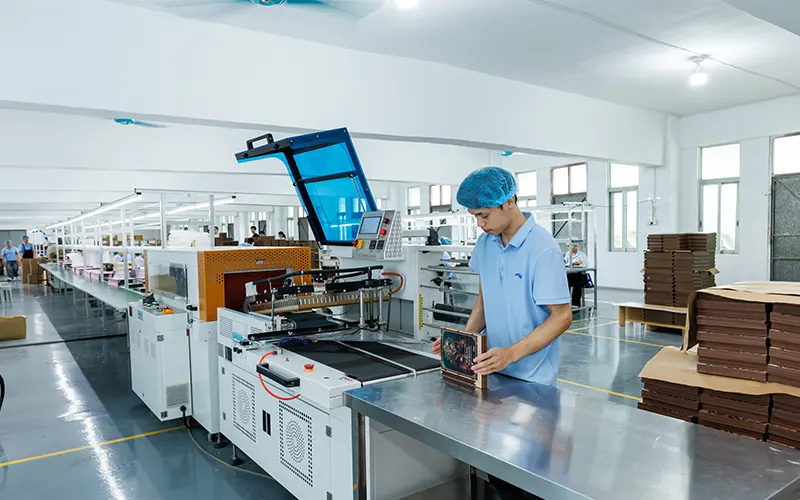
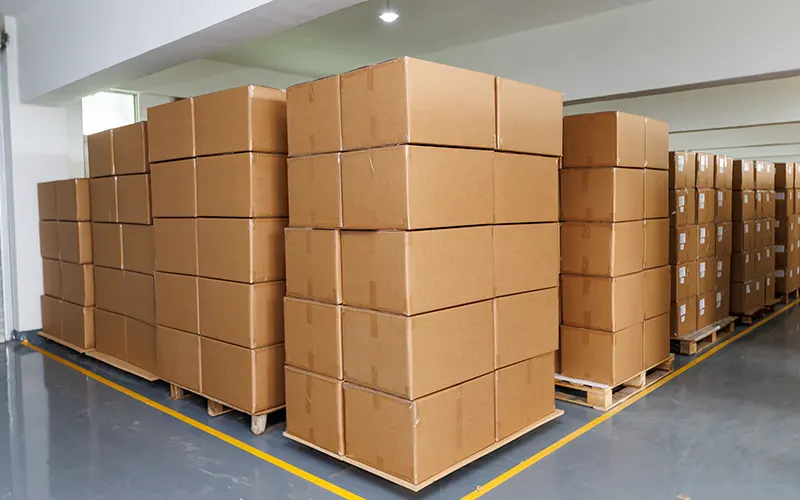
Packaging protects the product during storage, handling, and transportation while also contributing to its retail presentation. The packaging design should accommodate the product dimensions, component arrangement, protective requirements, and target sales channels.
For customized projects, packaging may include branded boxes, product labels, instruction manuals, barcodes, and other materials specified by the buyer. Before shipment, the team checks packaging details and order quantities to ensure that the goods are prepared according to the confirmed requirements.
Suitable packaging is particularly important for products with delicate miniature parts, printed surfaces, or multiple small accessories. A well-planned packaging process helps protect the product and supports smoother warehouse handling and distribution.
Why the Manufacturing Process Matters to B2B Buyers
For importers, wholesalers, retailers, and private-label brands, evaluating a DIY Book Nook supplier involves more than comparing product designs. The supplier's ability to coordinate development, engineering, procurement, production, quality control, and packaging can directly affect project timelines and order consistency.
Buyers exploring related miniature and wooden craft categories may also consider Wooden Jigsaw Puzzle products and 3D Wooden Puzzle kits when planning a broader product collection.
When assessing a potential manufacturing partner, B2B buyers should consider the following factors:
Product design and OEM/ODM development capabilities
Prototype sampling and design revision procedures
Material sourcing and production planning
Quality inspection throughout manufacturing
Bulk order coordination and delivery planning
Custom packaging and private-label support
Frequently Asked Questions
1. What is the manufacturing process of a DIY Book Nook?
The process typically includes concept design, 3D modeling, texture and color development, prototype sampling, engineering preparation, material procurement, component production, quality inspection, and final packaging.
2. Can a DIY Book Nook manufacturer support OEM and ODM projects?
OEM and ODM support depends on the manufacturer's capabilities. Buyers should discuss design customization, structural development, sampling, branding, packaging, and production requirements before confirming a project.
3. Why is prototype sampling important before mass production?
Prototype sampling allows buyers and manufacturers to evaluate the physical product, check component fit and appearance, and identify necessary changes before committing to a larger production run.
4. What materials are commonly used in DIY Book Nook kits?
Materials vary by design and may include wooden boards, printed paper, decorative accessories, lighting components, adhesives, and packaging materials. The final material selection depends on the product structure and project specifications.
5. How do manufacturers maintain consistent quality in bulk orders?
Consistency can be supported through approved samples, standardized engineering documents, incoming material checks, in-process inspections, component completeness checks, and final packaging inspections.
6. Can DIY Book Nook packaging be customized?
Depending on the supplier's capabilities and project requirements, packaging can be customized with branded artwork, labels, instruction manuals, barcodes, and other retail or distribution information.
7. What should B2B buyers confirm before placing a bulk order?
Buyers should confirm the approved design and sample, product specifications, materials, component list, packaging requirements, order quantity, quality standards, production lead time, and shipping arrangements.
A reliable DIY Book Nook manufacturing process connects creative design with practical engineering, controlled production, and careful packaging. For B2B buyers, understanding each stage makes it easier to evaluate suppliers, communicate customization requirements, and plan bulk orders. Working with a manufacturer that can coordinate the process from concept to shipment helps establish a clearer foundation for product development and long-term cooperation.