


 English

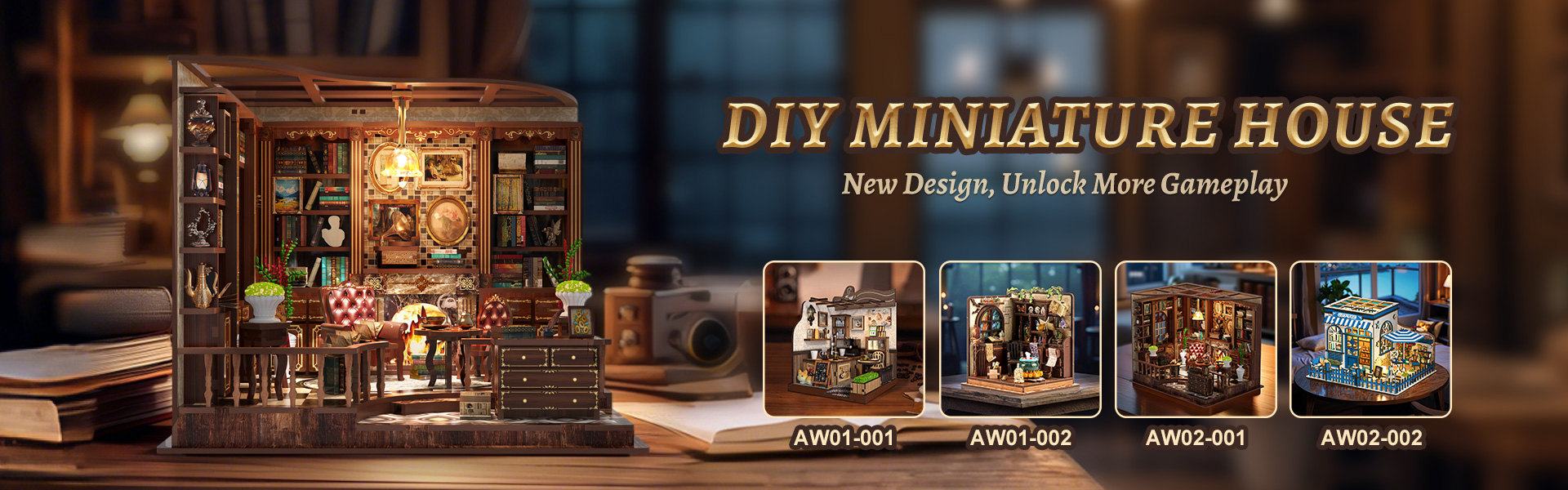
When choosing a puzzle for children, families, or even adults, the material can make a noticeable difference. Wooden puzzles and plastic puzzles are both widely available, but they offer different experiences in terms of durability, texture, appearance, safety considerations, and long-term use.
So, which is better: a wooden puzzle or a plastic puzzle? The answer depends on the user's age, intended use, puzzle design, and personal preferences. Understanding the differences between these two materials can help you choose the right puzzle for play, learning, gifting, or collecting.

What Is a Wooden Puzzle?
A wooden puzzle is made primarily from wood or wood-based materials and can be designed in many different formats. Common examples include wooden jigsaw puzzles, educational puzzles, 3D Wooden Puzzles, mechanical puzzles, and diy wooden puzzle kits.
Wood gives these puzzles a natural appearance and a solid tactile feel. Depending on the design and manufacturing process, wooden puzzle pieces can also have unique shapes that add another level of challenge to the puzzle experience.
Because of their appearance and versatility, wooden puzzles are popular not only as toys but also as educational products, DIY projects, decorative models, and gifts.
What Is a Plastic Puzzle?
Plastic puzzles are produced using different types of plastic materials and can also come in a wide range of shapes and designs. Plastic allows manufacturers to create lightweight, colorful, and highly consistent puzzle pieces.
Some plastic puzzles are designed for young children, while others are intended for adults. Plastic is particularly useful when manufacturers need specific shapes, bright colors, water resistance, or large-scale production.
Like wooden puzzles, plastic puzzles can be used for entertainment, education, games, and creative activities.
Wooden Puzzle vs. Plastic Puzzle: Key Differences
| Feature | Wooden Puzzle | Plastic Puzzle |
|---|---|---|
| Appearance | Natural and premium-looking | Modern and colorful |
| Texture | Solid and natural | Smooth and lightweight |
| Durability | Generally durable when properly made and maintained | Generally resistant to moisture and everyday handling |
| Design Options | Excellent for custom shapes and detailed designs | Excellent for molded and colorful designs |
| Weight | Usually heavier | Usually lighter |
| Gift Appeal | High, especially for premium or personalized gifts | Good for colorful and practical gifts |
1. Durability and Long-Term Use
Durability is one of the main reasons people choose wooden puzzles. A well-made wooden puzzle can withstand repeated assembly and disassembly and may remain usable for many years when stored properly.
Plastic puzzles can also be durable, especially when made from high-quality materials. They are less affected by moisture, which can be useful in certain environments.
However, durability ultimately depends on material quality, manufacturing processes, piece thickness, surface treatment, and how the puzzle is used. A high-quality plastic puzzle can outperform a poorly manufactured wooden puzzle, and vice versa.
2. Look and Feel
The tactile experience is another important difference between wooden and plastic puzzles.
Wooden puzzles typically have a warm, solid feel that many people associate with traditional craftsmanship. The natural texture and appearance can make the puzzle feel more like a premium product.
Plastic puzzles generally have a smooth and lightweight surface. They can offer bright colors and precise molded shapes, making them attractive for certain children's toys and modern puzzle designs.
If appearance and tactile quality are important factors when selecting a gift, a wooden puzzle can be an appealing option.
3. Design and Customization
Both materials offer extensive design possibilities, but they are suited to somewhat different manufacturing approaches.
Wooden puzzles can be cut into unusual silhouettes, detailed shapes, and artistic patterns. This makes them suitable for custom wooden puzzles, personalized gifts, educational products, and branded merchandise.
Plastic puzzles can be molded into complex three-dimensional forms and can support consistent mass production. They are also suitable for products that require specific colors, flexibility, or moisture resistance.
For businesses looking to create a distinctive puzzle product, the choice between wood and plastic should be based on the required design, production volume, target market, and product positioning.
4. Educational Value
Both wooden and plastic puzzles can support learning. The educational value comes primarily from the puzzle design and how it is used rather than from the material alone.
Educational wooden puzzles are popular for children because they can combine shape recognition, color matching, counting, letters, and problem-solving with hands-on play.
Plastic puzzles can also be designed for educational purposes, including shape sorting, construction activities, and interactive learning toys.
For parents choosing an educational puzzle, it is better to consider the child's age, developmental stage, puzzle complexity, and safety features instead of focusing only on the material.
5. Safety Considerations
Safety is especially important when choosing a puzzle for young children. Regardless of whether the puzzle is made from wood or plastic, parents should check the manufacturer's recommended age range and product safety information.
For children's wooden puzzles, smooth edges, secure components, appropriate piece sizes, and suitable surface finishes are important considerations. Plastic puzzles should also have properly finished edges and durable construction.
Very young children should be supervised when playing with puzzles that contain small components because small pieces can present a choking hazard.
6. Environmental Considerations
Environmental impact is another factor that some consumers consider when comparing wooden and plastic products.
Wood is a renewable material when sourced responsibly, and wooden products can provide a natural alternative to products made entirely from plastic. However, the environmental impact of a wooden puzzle also depends on the type of wood, coatings, adhesives, packaging, manufacturing processes, and transportation.
Plastic puzzles can be lightweight and durable, which may reduce material use in some applications. However, plastic is derived from petrochemical resources and can create waste if products are not properly reused or recycled.
For environmentally conscious buyers, it is useful to consider the complete product lifecycle rather than assuming that one material is automatically better in every situation.
7. Which Puzzle Is Better for Kids?
For many children, wooden puzzles are an attractive choice because of their solid construction, tactile feel, and variety of educational designs.
Simple wooden puzzles with large pieces can be suitable for younger children, while older children may enjoy more complex jigsaw puzzles, 3D wooden puzzles, and DIY construction kits.
Plastic puzzles can also be a good choice when lightweight construction, bright colors, moisture resistance, or specific molded shapes are important.
The best choice should therefore be based on the child's age, abilities, interests, and the specific product design.
8. Which Puzzle Is Better for Adults?
Adults often look for puzzles that provide a challenge or have decorative value. In this area, wooden puzzles offer many interesting possibilities.
Wooden mechanical puzzles, 3D wooden puzzle kits, miniature model kits, and detailed DIY puzzles can provide a more immersive building experience.
Plastic puzzles can also offer advanced designs, but wooden products are often chosen by hobbyists who appreciate the appearance and tactile qualities of natural materials.
9. Which Is Better as a Gift?
If you are choosing a puzzle as a gift, wooden puzzles can have an advantage in terms of presentation and perceived uniqueness.
A beautifully designed wooden puzzle can feel like more than a toy. It can become a hobby project, a family activity, or even a decorative object after completion.
Personalized and custom wooden puzzles can also be designed around names, photographs, special occasions, company branding, or specific themes.
For birthdays, Christmas, corporate events, educational programs, and promotional campaigns, customized wooden puzzles can therefore provide a flexible gifting solution.
When Should You Choose a Wooden Puzzle?
A wooden puzzle may be the better option when you value:
A natural and premium appearance
A solid tactile experience
Long-term reuse
Unique or artistic puzzle shapes
DIY and model-building experiences
Personalized gift options
Educational and hands-on activities
Decorative value after completion
When Should You Choose a Plastic Puzzle?
A plastic puzzle may be more suitable when you need:
Lightweight construction
High moisture resistance
Bright molded colors
Consistent mass-produced shapes
Specific flexible or molded structures
Easy cleaning for certain applications
Wooden Puzzle or Plastic Puzzle: Which Is Better?
There is no single answer for every user. Wooden puzzles are particularly attractive for people who value natural materials, durability, craftsmanship, customization, and a premium tactile experience. They are also suitable for educational toys, DIY projects, gifts, and decorative models.
Plastic puzzles can be a practical choice when lightweight construction, moisture resistance, colorful designs, or molded shapes are more important.
Ultimately, the best puzzle is the one that matches the user's age, interests, intended use, and desired experience. For many gift, educational, and hobby applications, a well-designed wooden puzzle offers an appealing combination of function, creativity, and long-term value.
Frequently Asked Questions
Are wooden puzzles better than plastic puzzles?
Neither material is universally better. Wooden puzzles are often preferred for their natural appearance, solid feel, customization potential, and premium gift appeal, while plastic puzzles can be useful when lightweight construction, moisture resistance, or molded designs are required.
Are wooden puzzles good for children?
Yes. Age-appropriate wooden puzzles can encourage problem-solving, shape recognition, concentration, and hands-on learning. Always check the recommended age range and supervise young children when necessary.
Are wooden puzzles more durable than plastic puzzles?
Both can be durable when manufactured with quality materials and construction. Wooden puzzles can withstand repeated use, while plastic puzzles generally offer good resistance to moisture and everyday handling.
Are wooden puzzles environmentally friendly?
Wood can be a renewable material when responsibly sourced, but the environmental impact of a puzzle depends on the entire manufacturing and supply chain. Material sourcing, coatings, adhesives, packaging, transportation, and product lifespan should all be considered.
Can wooden puzzles be customized?
Yes. Custom wooden puzzles can be developed with different shapes, artwork, themes, sizes, packaging, and branding requirements, making them suitable for personalized gifts and commercial projects.