


 English
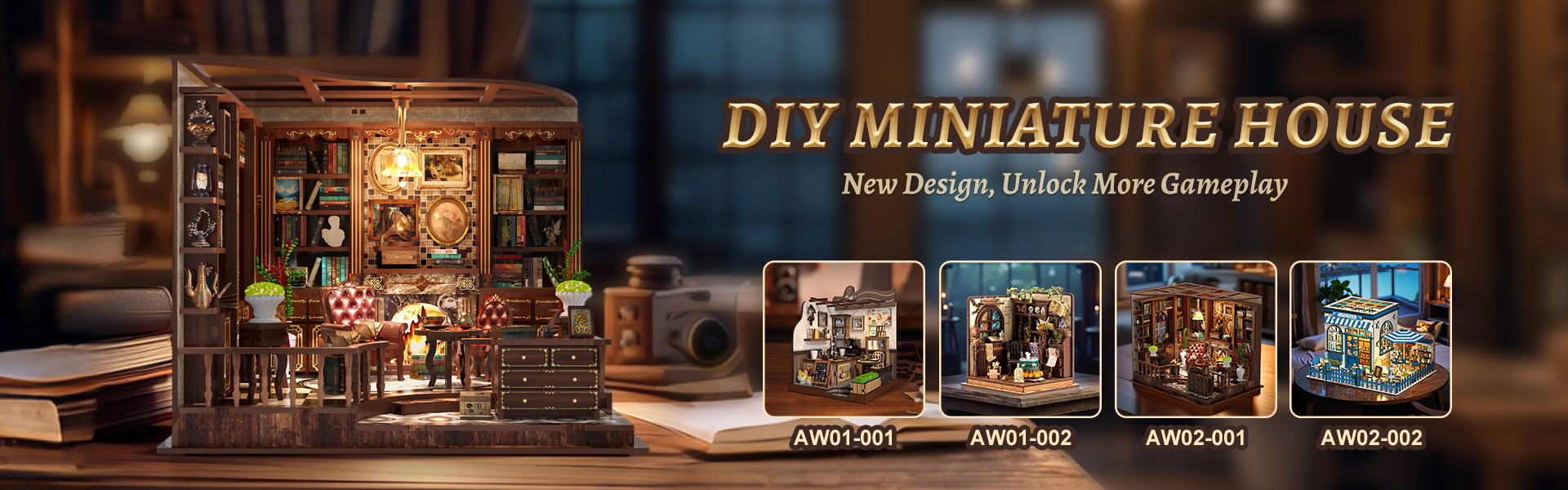
book nook kits combine miniature craftsmanship, DIY assembly, and decorative appeal, making them an interesting addition to craft, gift, and home decoration product collections. For retailers, importers, and distributors, sourcing the right products requires more than finding attractive designs.
A reliable book nook supplier should be able to provide consistent product quality, suitable customization options, organized packaging, and dependable bulk production support.
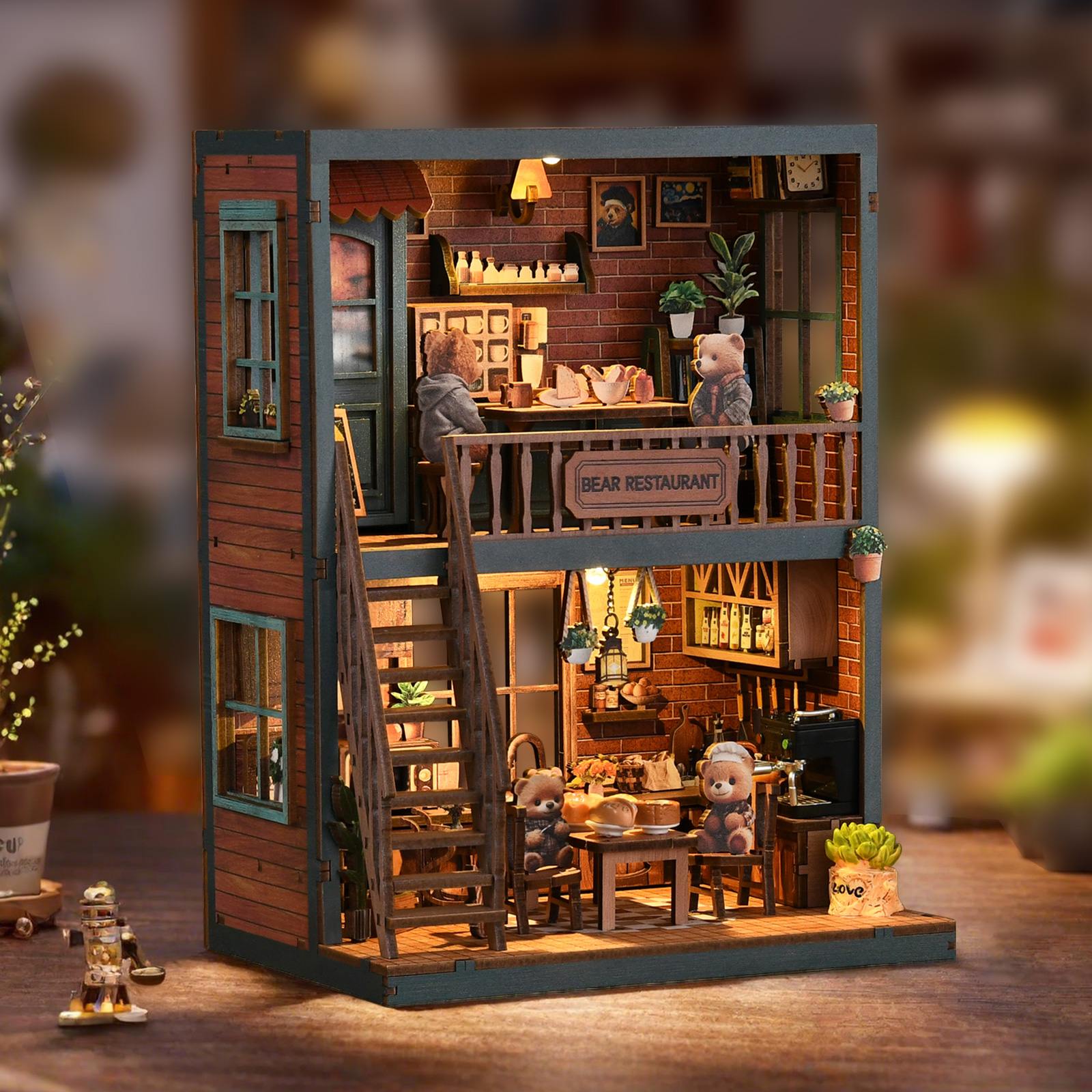
1. Evaluate the Supplier's Product Range
A diversified product range gives retailers more flexibility when building their collections. Instead of relying on one miniature scene, buyers can select different themes and design styles for various customer groups.
Popular product directions include:
Miniature bookstores and libraries
Vintage streets and European architecture
Fantasy and magical environments
Nature-inspired miniature scenes
Seasonal and holiday-themed book nooks
When evaluating a supplier, check whether its collection includes different sizes, assembly difficulties, and decorative styles.
2. Check Material Quality and Manufacturing Accuracy
Material quality directly affects the appearance and assembly performance of DIY Book Nook kits. Wooden components should have consistent thickness, clean cutting edges, and accurate dimensions.
For wholesale purchasing, buyers should pay attention to:
Wooden sheet material and thickness
Laser-cutting accuracy and component fit
Surface finish and printing quality
Structural stability after assembly
Consistency between production batches
Requesting product samples before placing a bulk order can help buyers evaluate these details more effectively.
3. Review LED Lighting and Electronic Components
Many illuminated book nook kits use LED modules to create warm miniature environments. These components require careful selection and functional inspection.
Buyers should confirm the lighting configuration, power source, switch arrangement, wiring layout, and battery requirements. If electronic components are included, their compatibility and applicable market requirements should also be reviewed.
4. Understand OEM and ODM Customization Services
For brands and distributors seeking product differentiation, OEM and ODM services can provide greater flexibility than purchasing standard designs alone.
Depending on the manufacturer's capabilities, customization options may include:
Custom Themes: Develop original miniature streets, bookstores, fantasy scenes, and other environments.
Structural Design: Adjust product dimensions, component layouts, and assembly structures.
Material Selection: Select suitable wood-based materials and decorative components.
Lighting Configuration: Customize LED placement and lighting arrangements.
Private Label Packaging: Develop branded boxes, instruction manuals, and retail packaging.
Before starting a custom project, buyers should confirm design requirements, prototype arrangements, sample approval procedures, and production timelines.
5. Compare Bulk Order Requirements and Production Capacity
Wholesale orders involve more than product unit specifications. Buyers should also understand the supplier's production capacity and order conditions.
Important questions include:
What is the minimum order quantity (MOQ) for standard designs?
Does customization require a different MOQ?
What is the estimated lead time for samples and bulk orders?
Can the supplier support repeat orders with consistent specifications?
How are production schedules managed during peak seasons?
Clear communication about these requirements helps buyers plan purchasing schedules and inventory more effectively.
6. Evaluate Quality Control and Packaging
Book nook kits contain multiple small components, so quality control should cover both individual parts and complete kit packaging.
A suitable inspection process may include:
Checking wooden components for defects and dimensional consistency
Verifying the quantity and identification of parts
Testing LED lighting functionality where applicable
Checking assembly instructions and accessory completeness
Inspecting packaging protection and labeling
Packaging is particularly important for wholesale shipments because small wooden parts and decorative accessories need adequate protection during storage and transportation.
7. Why Work Directly with a Book Nook Manufacturer?
Working directly with a manufacturer can provide buyers with better communication throughout product development and bulk purchasing.
Potential advantages include:
More direct communication about product specifications
Access to OEM and ODM product development
Greater flexibility in packaging and branding
Better coordination of samples and production requirements
More direct quality feedback and production follow-up
However, buyers should still evaluate the manufacturer's actual equipment, production capabilities, quality management, and experience before making a sourcing decision.
8. A Practical Checklist Before Placing a Wholesale Order
Before confirming an order, retailers and importers can use the following checklist:
Confirm product designs, dimensions, and material specifications.
Review samples and approve the final product appearance.
Verify component quantities and assembly instructions.
Confirm LED configuration and battery arrangements.
Clarify MOQ, pricing terms, and production lead time.
Approve packaging design and shipping requirements.
Agree on quality inspection standards before shipment.
Frequently Asked Questions
What is the typical MOQ for wholesale book nook kits?
MOQ varies depending on the supplier, product design, material requirements, and whether the order involves standard or customized products. Buyers should request specific MOQ information for their selected designs.
Can I order customized book nook kits for my brand?
Yes. Manufacturers offering OEM and ODM services may support custom themes, dimensions, materials, lighting configurations, and private label packaging.
Should I request samples before bulk purchasing?
Yes. Samples allow buyers to evaluate material quality, cutting accuracy, component fit, lighting functionality, and the overall assembly experience before committing to larger orders.
What should I check when comparing book nook suppliers?
Compare product quality, manufacturing capabilities, customization services, MOQ, lead time, packaging, and quality control procedures. These factors provide a more complete picture than unit price alone.
Conclusion
Sourcing wholesale book nook kits requires careful evaluation of product design, material quality, manufacturing accuracy, customization capabilities, and production management.
For retailers, distributors, and gift brands, choosing an experienced book nook manufacturer can help simplify product development and bulk sourcing while supporting consistent product quality. A supplier with OEM and ODM capabilities can also help develop distinctive miniature craft collections for different markets.