


 English

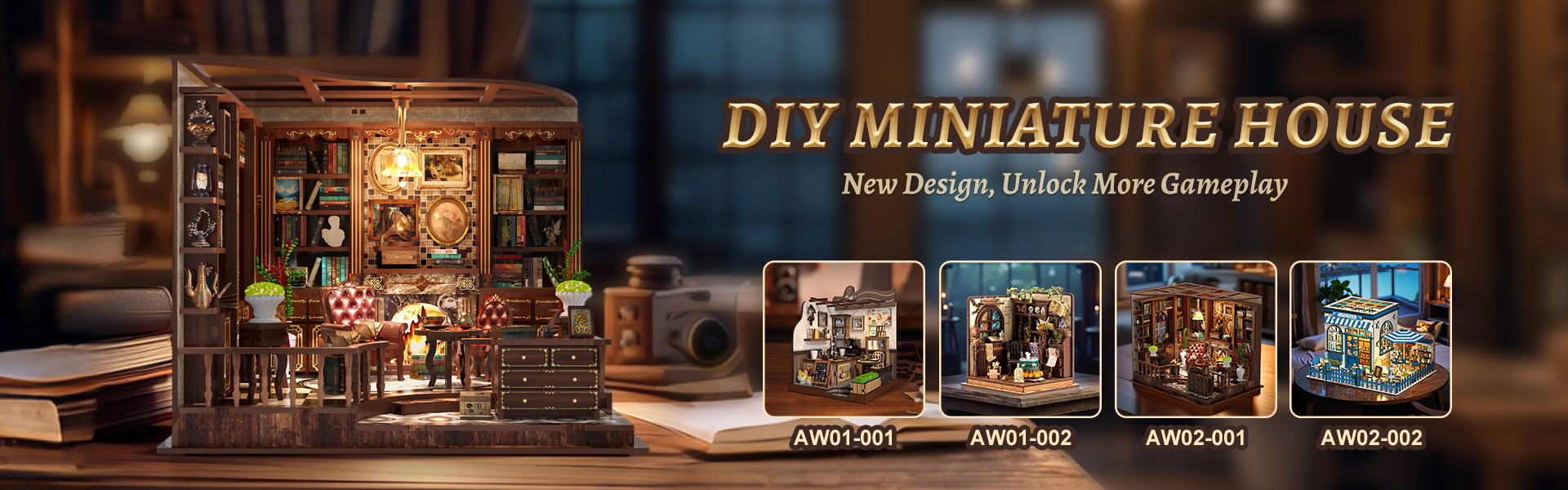
wooden book nook kits combine miniature architecture, decorative details, and hands-on assembly in one creative product. Behind every finished miniature scene is a manufacturing process that involves material selection, precision cutting, component preparation, and quality inspection.
For brands, wholesalers, and product developers, understanding how wooden book nook kits are made helps when evaluating product quality and selecting a reliable manufacturing partner.
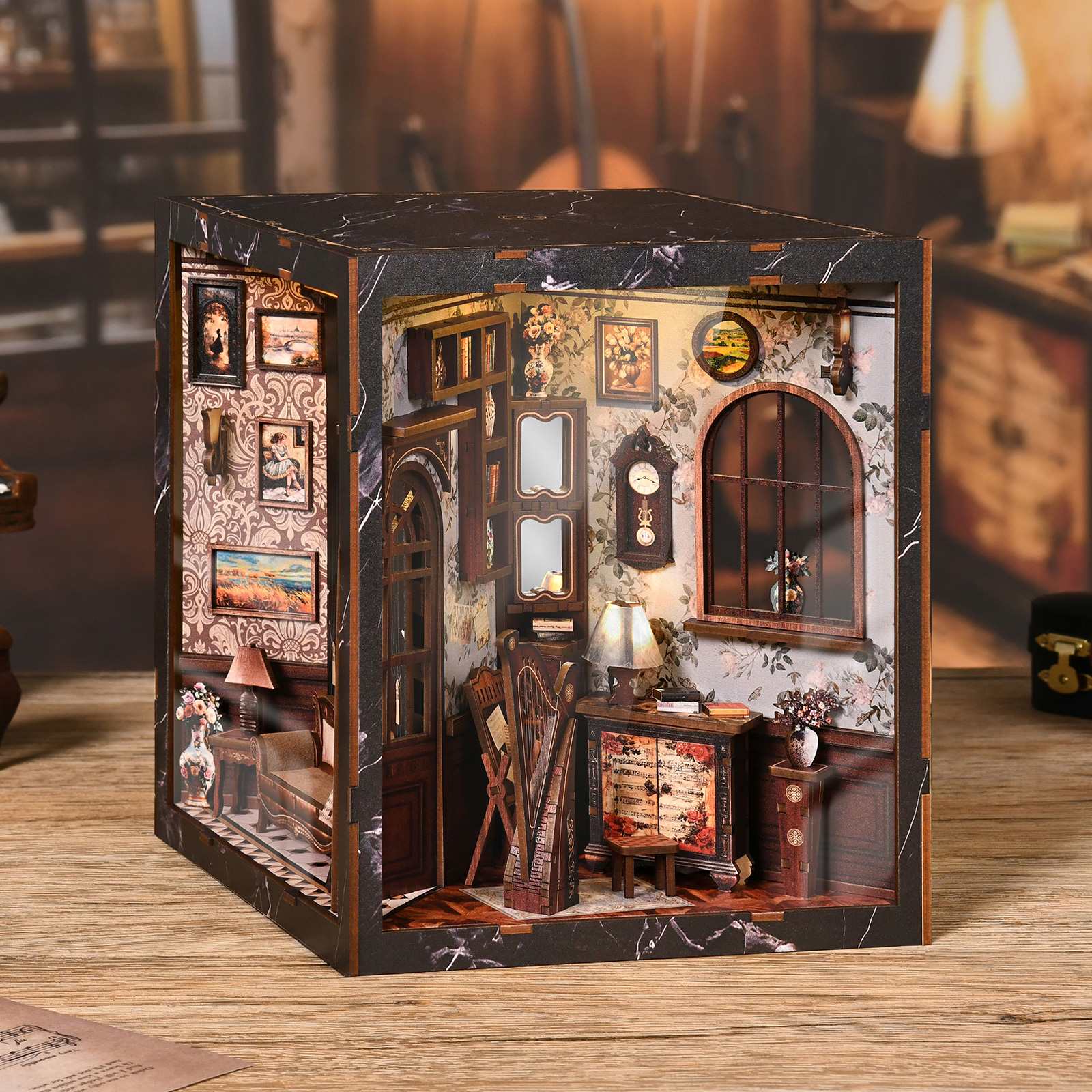
1. Product Design and Structure Development
Manufacturing begins with product design. Designers first develop the miniature scene, including its overall dimensions, architectural structures, decorative elements, and assembly method.
The design must balance visual detail with practical assembly requirements. Each component needs to fit accurately into the overall structure, while the finished product should remain suitable for bookshelf display.
Important design considerations include:
Overall product dimensions and structural stability
Number and arrangement of miniature components
Layered backgrounds and visual depth
Placement of LED lighting and electrical components
Assembly sequence and instruction requirements
2. Material Selection for Wooden book nook kits
Material selection affects the appearance, durability, and assembly performance of a wooden book nook kit.
Wood-based sheets are commonly used for structural panels, miniature furniture, decorative components, and connecting parts. Other materials, such as paper, acrylic, and plastic, may also be incorporated depending on the product design.
When selecting materials, manufacturers need to consider thickness consistency, surface quality, cutting compatibility, and the requirements of the finished product.
3. Laser Cutting and Precision Component Production
Laser cutting is widely used in wooden book nook manufacturing because it allows intricate shapes and small decorative components to be produced from flat wooden sheets.
Digital design files guide the cutting process, helping manufacturers create repeatable component shapes and precise connection points.
Typical laser-cut components include:
Miniature doors and window frames
Furniture and decorative structures
Wall panels and architectural details
Assembly slots and connecting components
Small decorative accessories
Consistent cutting quality is important because inaccurate dimensions may affect component fitting and the overall assembly experience.
4. Printing and Decorative Surface Treatment
Printed graphics and surface treatments help transform simple wooden components into detailed miniature environments.
Depending on the design, decorative processes may include color printing, surface finishing, and the application of printed backgrounds or decorative patterns.
These details contribute to the visual identity of the product and help distinguish different themes, such as vintage bookstores, European streets, and fantasy scenes.
5. Component Preparation and Kit Organization
After production, individual parts need to be organized into complete DIY kits. Manufacturers typically check component quantities, part identification, and the compatibility of different assembly elements.
Clear organization helps reduce missing-part issues and makes the assembly process easier for end users.
A typical kit may include wooden sheets, decorative accessories, lighting components, connecting materials, and illustrated assembly instructions.
6. LED Lighting Integration
Many illuminated book nook designs include LED lighting to create a more immersive miniature environment. Lighting may be positioned inside miniature shops, windows, street lamps, or decorative structures.
Manufacturers need to consider wiring arrangements, switch placement, component compatibility, and accessibility during assembly. Proper testing is also important to check lighting functionality before packaging.
7. Quality Inspection and Packaging
Quality inspection helps ensure that each book nook kit contains the correct components and meets the expected production standards.
Common inspection points include:
Wooden component dimensions and cutting accuracy
Surface finish and visible defects
Component quantities and identification
Assembly fit and structural compatibility
LED lighting functionality, where applicable
Packaging protection and instruction completeness
Packaging should protect delicate parts during storage and transportation while keeping the kit components organized.
8. What Should Buyers Look for in a Wooden Book Nook Manufacturer?
For B2B buyers, choosing a manufacturer involves more than comparing product appearance. Production capabilities, customization options, quality management, and communication are also important.
Production Equipment: Check whether the manufacturer has suitable cutting, printing, and component-processing equipment.
Product Development: Evaluate the ability to develop new themes and adapt existing designs.
Quality Control: Ask about dimensional inspection, component checking, and finished-kit testing.
OEM and ODM Services: Confirm whether custom designs, packaging, and branding are supported.
Bulk Production: Understand production capacity, lead times, and order requirements.
Conclusion
Wooden book nook kits are produced through a combination of product design, material preparation, precision laser cutting, decorative processing, component organization, and quality inspection.
For brands and wholesale buyers, understanding these manufacturing stages makes it easier to evaluate product consistency and develop customized miniature craft collections with a suitable manufacturing partner.