


 English

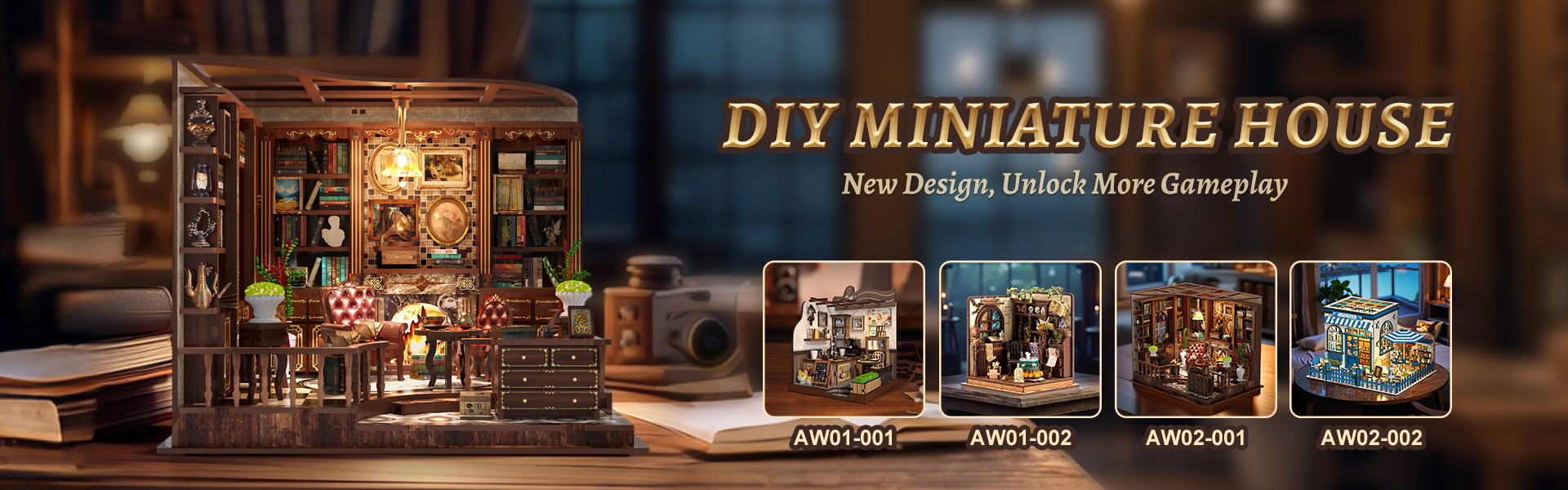
book nook kits have become an appealing choice for DIY hobbyists, miniature collectors, and gift buyers. Combining miniature architecture, decorative details, and often LED lighting, these kits allow users to create small scenes for bookshelf displays.
However, not all book nook kits offer the same design, materials, components, or assembly experience. Whether you are buying one for personal use or sourcing products for retail, understanding the key selection factors can help you make a more informed decision.
Here are seven important things to look for when buying a book nook kit.
1. Design and Theme
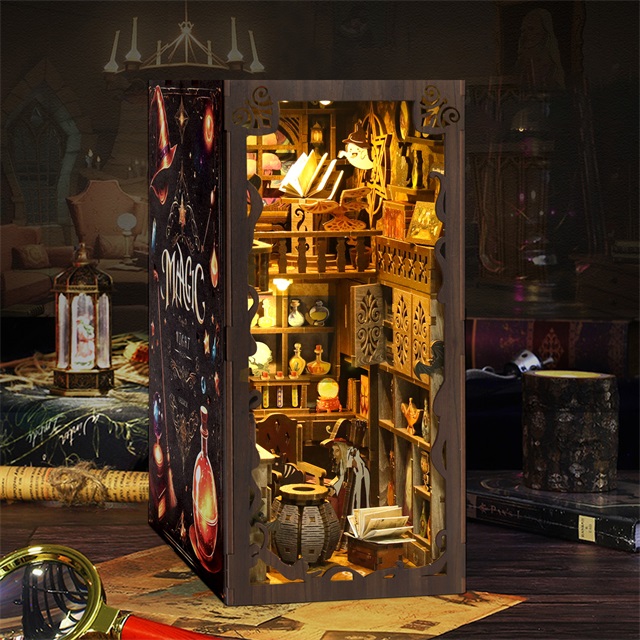
The design is often the first thing buyers notice when choosing a book nook kit. Different themes appeal to different interests, from traditional bookstores and miniature streets to fantasy scenes and architectural environments.
Before choosing a design, consider:
Whether the theme matches your personal interests or target customers.
Whether the miniature scene has distinctive visual details.
Whether the design fits the intended bookshelf or display space.
Whether the overall style matches current product assortment needs.
For retailers and distributors, offering different themes can help reach customers with varied preferences. Browse our DIY Book Nook Kits for different miniature design options.
2. Material Quality
Materials affect the appearance, assembly, and overall quality of a book nook kit. Many wooden book nook kits use laser-cut wooden components to create miniature structures and decorative details.
When evaluating material quality, pay attention to:
Clean and consistent cutting edges.
Accurate component shapes and dimensions.
Suitable material thickness for the intended structure.
Surface condition and finishing quality.
Proper fit between connecting components.
Well-made components can make assembly more manageable and help create a cleaner finished model.
3. Component Quantity and Design Complexity
A book nook kit may contain wooden panels, miniature furniture, decorative accessories, LED components, and other materials. The number of components and their complexity influence the overall building experience.
A kit with many small parts may require more time and attention, while a design with fewer components may be more suitable for beginners. However, component count alone does not determine difficulty.
Before purchasing, check the product description for the included components, recommended skill level, and estimated assembly time. If you are new to miniature building, a straightforward design with clear instructions may be a practical starting point.
4. Assembly Instructions
Clear instructions are important for helping users complete a book nook kit correctly. A well-organized manual should explain the assembly sequence and show how individual components fit together.
Look for kits that provide:
Clearly illustrated assembly steps.
Numbered or labeled components.
Easy-to-understand diagrams.
Instructions for installing decorative accessories.
Guidance for connecting and testing LED lighting, when included.
For first-time builders, clear instructions can reduce confusion and make the DIY experience more enjoyable.
5. LED Lighting and Electrical Components
LED lighting can add depth and atmosphere to a miniature scene. Many book nook designs use lighting to highlight windows, shop interiors, street scenes, and other decorative elements.
When comparing kits with lighting, check:
Whether LED components are included.
How the lighting is powered.
Whether the battery compartment or power connection is accessible.
Whether the wiring instructions are clearly provided.
Whether the lighting can be tested during assembly.
Do not assume that every book nook kit includes the same lighting features. Check the product specifications to confirm exactly what is supplied.
6. Size and Display Requirements
Book nook kits are designed for bookshelf displays, but their dimensions can vary considerably. Checking the size before purchasing helps ensure that the finished model fits the intended space.
Consider the following:
Overall height, width, and depth.
Available space between books or on the display shelf.
Whether the model needs additional clearance for cables or power access.
Whether the structure has a stable base.
For retailers, product dimensions are also important for packaging, storage, shipping, and shelf presentation.
7. Manufacturer Reliability and Customization Options
For retailers, wholesalers, distributors, and private-label brands, choosing a reliable book nook kit manufacturer is just as important as selecting the right design.
A qualified supplier should be able to provide clear product information and consistent communication throughout the sourcing process. Depending on the project, buyers may also need customized designs, packaging, branding, or product specifications.
Important factors to evaluate include:
Experience in wooden DIY products and miniature kits.
Product design and development capabilities.
Material and component quality control.
Production capacity and order lead times.
OEM and ODM customization support.
Packaging and documentation requirements.
Buyers looking to expand their DIY product range can also consider related categories such as 3D Wooden Puzzles, which can complement book nook kits in hobby and gift collections.
Questions to Ask Before Placing an Order
For B2B purchasing, asking the right questions before placing an order can help reduce misunderstandings and ensure that the product meets your requirements.
What materials are used in the book nook kit?
What components and accessories are included?
Are assembly instructions provided?
Can the design, packaging, or branding be customized?
What are the MOQ and production lead time?
What quality inspection procedures are followed?
Confirming these details in advance helps buyers evaluate whether a product and supplier are suitable for their business.
Conclusion
Choosing a book nook kit involves more than selecting an attractive miniature design. Material quality, component accuracy, assembly instructions, LED lighting, dimensions, and manufacturer reliability all contribute to the overall product experience.
For individual buyers, these factors help identify a kit that matches their interests and assembly experience. For retailers and distributors, they provide a practical framework for evaluating products and suppliers.
Learn more about Xinyue Crafts and explore its OEM and ODM capabilities for wooden DIY products. Contact the team to discuss customized book nook kits, product development, and wholesale cooperation.