


 English

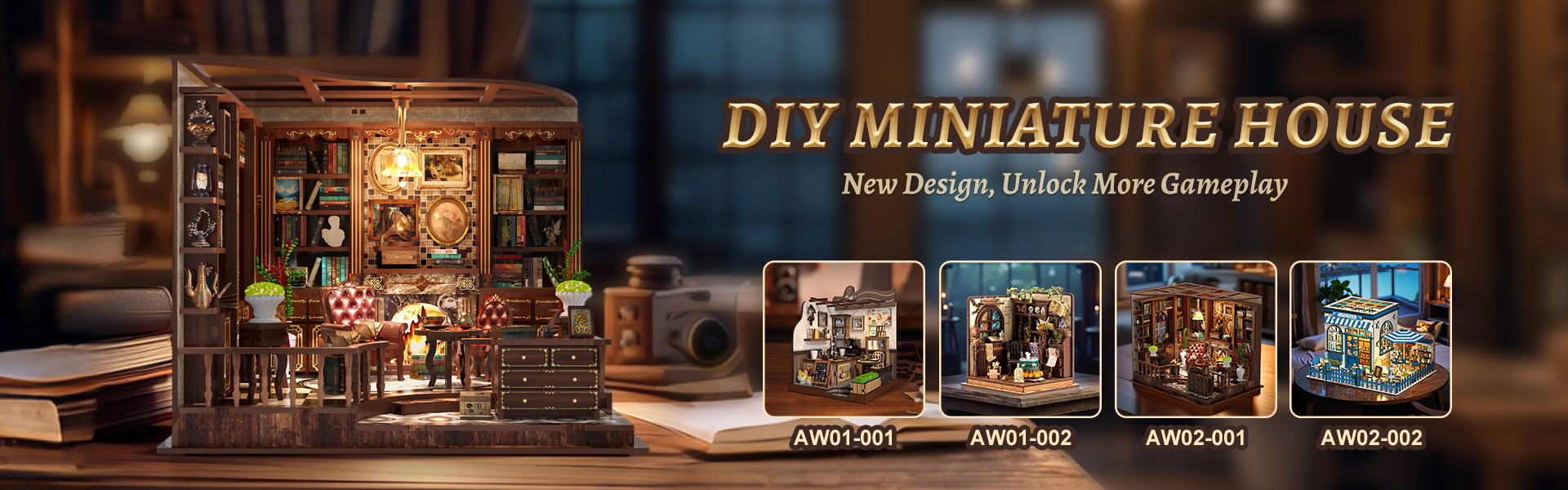
Building a book nook kit is an enjoyable DIY activity, but one of the first questions beginners ask is how much time the project will take. Some miniature kits can be completed in a few hours, while more detailed designs may require several days of work across multiple sessions.
The actual assembly time depends on several factors, including the number of components, structural complexity, decorative details, LED lighting, and the builder's experience.
In this guide, we explain what affects book nook assembly time and how to plan your project more efficiently.
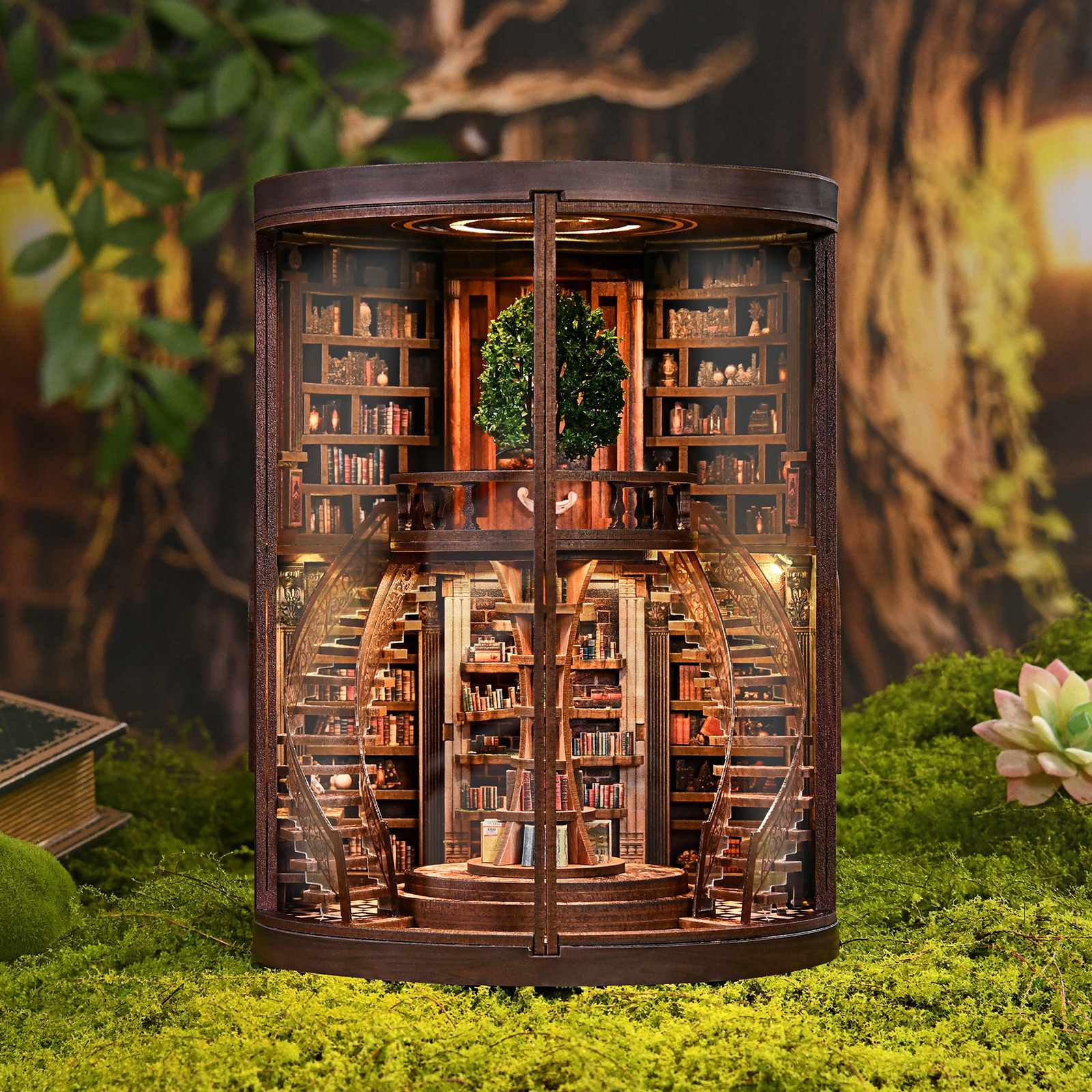
1. How Many Hours Does It Take to build a book nook Kit?
There is no fixed assembly time for every book nook kit. A simple design with fewer components may take several hours, while a complex miniature scene with multiple layers, small accessories, and lighting may require considerably longer.
As a general planning reference, assembly time can vary as follows:
| Project Complexity | Typical Characteristics | Time Planning |
|---|---|---|
| Simple | Basic structure, fewer decorative pieces, straightforward assembly | A few hours |
| Moderate | More wooden components, miniature furniture, and decorative details | Several hours or multiple sessions |
| Complex | Multi-layered scenes, numerous small accessories, and more involved lighting | Multiple sessions or several days |
These are general planning estimates rather than guaranteed completion times. Always check the product description for the manufacturer's estimated assembly time.
2. Number of Components
The number of components is one of the most obvious factors affecting assembly time. A kit with many small wooden pieces and decorative accessories generally requires more sorting, positioning, and installation work.
However, component count alone does not determine difficulty. Some kits contain many simple pieces that can be assembled quickly, while others have fewer but more intricate components that require precise positioning.
Before starting, check the product details and instruction manual to understand the number and types of parts included.
3. Design Complexity and Scene Details
The design of a book nook has a direct influence on the time needed for assembly. A simple miniature room may have a relatively straightforward structure, while a detailed street scene, library, fantasy world, or multi-level building can involve more assembly stages.
Complex designs may include:
Multi-layered walls and architectural structures.
Miniature furniture and decorative accessories.
Small signs, windows, doors, and staircases.
Detailed interior arrangements.
Multiple lighting elements.
Each additional detail can require careful positioning to achieve the intended visual effect.
4. LED Lighting and Electrical Installation
Many book nook kits include LED lighting to enhance the miniature scene. Although the lighting adds visual appeal, it also introduces extra assembly steps.
Builders may need to position LED components, route wires, connect the power supply, and test the lighting before completing the structure. The process can take longer if the lighting is integrated into several parts of the miniature scene.
Testing the electrical components before closing the structure is a useful way to avoid having to reopen assembled sections later.
5. Builder Experience and Assembly Skills
First-time builders may need more time to understand the instructions, identify individual components, and become familiar with miniature assembly techniques.
Experienced hobbyists may work faster because they are more comfortable handling small parts, applying adhesive, and following multi-step assembly processes.
Beginners can make the process easier by:
Reading the instructions before starting.
Organizing components by assembly stage.
Using suitable tools for small parts.
Working carefully rather than trying to finish quickly.
6. How to Complete a Book Nook Kit More Efficiently
Good preparation can help reduce unnecessary interruptions without compromising assembly quality.
Prepare All Materials in Advance
Check the components and prepare the required tools before starting. Keeping everything within reach helps maintain a smooth workflow.
Follow the Recommended Assembly Sequence
Complete the structural sections before moving on to smaller decorative details, unless the instruction manual specifies a different order.
Allow Enough Time for Adhesive to Dry
Do not rush the process by moving components before the adhesive has set. Follow the product instructions for drying time.
Divide the Project into Sessions
For complex designs, divide the assembly into manageable stages. This can make the project more enjoyable and reduce mistakes caused by fatigue.
7. Does a More Detailed Book Nook Kit Always Take Longer?
Not necessarily. A well-designed kit with pre-cut wooden components, clearly numbered parts, and easy-to-follow instructions may be easier to assemble than a simpler-looking kit with unclear instructions or complicated connections.
Product design, component organization, and instruction quality all contribute to the overall building experience. For manufacturers, these details are important when developing book nook kits for different customer groups.
Explore our DIY Book Nook Kits for different miniature designs. Buyers looking to expand their DIY product range can also explore our 3D Wooden Puzzle collection.
Conclusion
The time required to build a book nook kit depends on its design, component count, lighting system, and the builder's experience. Rather than focusing only on speed, beginners should allow enough time to complete each stage carefully.
For retailers and distributors, assembly time is also a useful product consideration. Providing clear assembly instructions and selecting designs suitable for the target market can help improve customer satisfaction.
Contact Xinyue Crafts to learn more about OEM and ODM solutions for book nook kits and other wooden DIY products.